Winter Blues: Why You Feel More Tired, Unmotivated, and Low on Energy During Winter
Nov 22, 2026
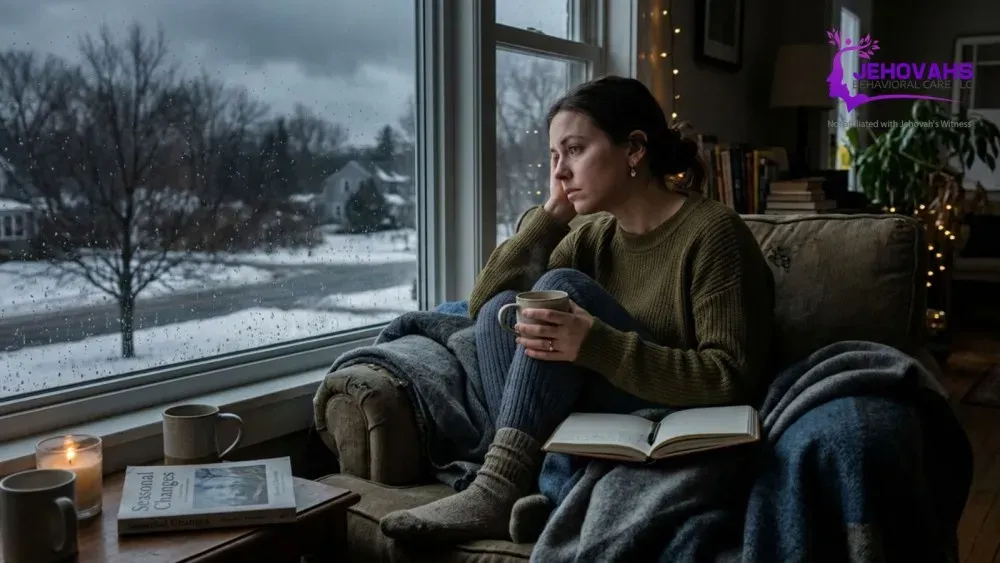
Have you noticed that getting out of bed feels harder during winter? Perhaps you feel less motivated, prefer staying indoors, sleep longer than usual, or find it difficult to enjoy activities you normally love.
Changes in seasons can influence our mood, energy levels, sleep patterns, and overall mental well-being. While occasional low-energy days are normal, persistent changes in mood and motivation may be worth paying attention to.
For individuals and families in Lilburn, Georgia, and surrounding communities, understanding these seasonal mood changes can be an important step toward better mental health.
One of the main reasons people experience winter mood changes is reduced exposure to natural daylight.
During the fall and winter months, shorter daylight hours can affect the body's internal clock, also known as the circadian rhythm. This system helps regulate sleep, energy, and daily activity patterns.
Changes in daylight may also influence serotonin and melatonin, two chemicals involved in mood and sleep regulation.
As a result, some people may experience:
Lower energy levels throughout the day
Increased sleepiness or difficulty waking up
Reduced motivation to complete daily tasks
Changes in appetite and food cravings
Less interest in social activities
Difficulty concentrating or staying productive
These changes may be temporary, but when they become persistent or interfere with everyday life, they deserve attention.
The winter blues describe temporary feelings of low mood, reduced motivation, and tiredness that some people experience during colder or darker months.
You might notice that you feel less energetic, spend more time indoors, or struggle to maintain your usual routine.
However, winter blues and Seasonal Affective Disorder (SAD) are not the same.
Seasonal Affective Disorder is a form of depression that follows a recurring seasonal pattern, most commonly beginning in late fall or early winter and improving during spring and summer.
Understanding the difference can help you recognize when additional mental health support may be beneficial.
Do you recognize any of these changes in yourself?
1. You Feel Tired Even After Sleeping
You may sleep longer than usual but still wake up feeling exhausted. Persistent fatigue can affect your concentration, productivity, and daily routine.
2. You Have Lost Interest in Things You Usually Enjoy
Activities that once made you happy may no longer feel exciting. You might prefer staying home rather than meeting friends or participating in hobbies.
3. You Struggle to Stay Motivated
Simple responsibilities, such as completing household tasks, working, or exercising, may suddenly feel overwhelming.
4. You Experience Changes in Your Sleep Schedule
You may find yourself sleeping more, struggling to wake up in the morning, or experiencing changes in your usual sleeping patterns.
5. You Crave More Comfort Foods
Some people experience increased appetite, particularly cravings for carbohydrates and sugary foods, during winter-pattern seasonal depression.
6. You Feel More Irritable or Emotionally Sensitive
Small frustrations may feel bigger than usual. You might become impatient, overwhelmed, or emotionally drained.
7. You Start Avoiding Social Activities
You may cancel plans, avoid conversations, or gradually withdraw from friends and family.
Experiencing one or two of these signs does not automatically mean you have Seasonal Affective Disorder. However, persistent symptoms should not be ignored.
The good news is that small, consistent habits can support your mental well-being during seasonal transitions.
Here are seven practical ways to care for your mental health this winter.
1. Get Natural Daylight
Try spending some time outdoors during daylight hours. Open your curtains in the morning and allow natural light into your living space.
2. Maintain a Consistent Sleep Routine
Going to bed and waking up at approximately the same time each day can help support your body's natural sleep-wake cycle.
3. Move Your Body Regularly
You do not need an intense workout to get started. Walking, stretching, or light physical activity can help improve your daily routine and overall well-being.
4. Stay Connected With People
Make time for family, friends, and meaningful conversations. Social connection can help reduce feelings of isolation.
5. Set Small and Realistic Goals
Instead of trying to accomplish everything at once, break larger responsibilities into smaller tasks.
For example, start with a 10-minute walk, organize one part of your home, or complete one important task.
6. Make Time for Activities You Enjoy
Read a book, listen to music, cook your favorite meal, or spend time on a hobby. Enjoyable activities can help bring structure and positivity into your day.
7. Be Kind to Yourself
You do not have to maintain the same energy and productivity every day. Allow yourself time to rest while continuing to take small steps toward your goals.
Feeling tired occasionally is normal. However, ongoing emotional and behavioral changes may indicate something more than temporary winter blues.
Consider speaking with a mental health professional if you experience:
Persistent sadness or low mood
Loss of interest in everyday activities
Significant changes in sleep or appetite
Ongoing fatigue and low motivation
Difficulty concentrating or managing responsibilities
Social withdrawal or feelings of hopelessness
If symptoms last two weeks or longer, become severe, or interfere with your daily life, consider seeking a professional evaluation.
Seasonal Affective Disorder and other forms of depression are treatable. Depending on your individual needs, treatment may include Cognitive Behavioral Therapy (CBT), medication management, or other appropriate approaches.
Do not start, stop, or change prescribed medication without consulting your healthcare provider.
If you experience thoughts of suicide or feel at risk of harming yourself, seek immediate help by calling or texting 988 in the United States. For an immediate life-threatening emergency, call 911.
Seasonal mood changes can affect people from all walks of life. Recognizing the signs and seeking appropriate support can make a meaningful difference.
Jehovah's Behavioral Care provides mental health support in Lilburn, Georgia, including psychiatric evaluations, medication management, and Cognitive Behavioral Therapy (CBT) for individuals experiencing concerns such as depression, anxiety, and seasonal depression.
Whether you live in Lilburn or nearby communities such as:
Lawrenceville, GA
Snellville, GA
Norcross, GA
Stone Mountain, GA
Tucker, GA
Duluth, GA
Peachtree Corners, GA
Dacula, GA
Loganville, GA
Suwanee, GA
Taking care of your mental health is an important part of your overall well-being.
If seasonal changes are affecting your mood, motivation, or daily functioning, professional guidance can help you better understand your symptoms and explore appropriate treatment options.
Winter may bring changes in your routine, energy, and emotional well-being, but struggling through the season should not become your normal.
Pay attention to what your mind and body are telling you. Start with small habits, stay connected with the people who support you, and remember that asking for professional help is a positive step toward better mental health.
Need mental health support in Lilburn, GA?
Contact Jehovah's Behavioral Care to learn more about psychiatric evaluations, medication management, and CBT-based support.
Jehovah's Behavioral Care
Address: 4652 Lawrenceville Hwy, Suite 101, Lilburn, GA 30047
Phone: 678-314-5299
Website: www.jehovahsbehavioralcare.com
Your mental well-being matters in every season.